
Matching the Right Cartridge to Your Pistol’s Purpose
The Complete Guide to Handgun Ammo: Choosing the Right Rounds for Your Pistol
Handgun ammunition is a self-contained cartridge comprising a primer, propellant powder, and a bullet seated within a metallic case. Upon firing, the primer ignites the powder, generating high-pressure gas that propels the bullet down the barrel at controlled velocities. Its design balances stopping power, recoil management, and feed reliability across various pistol platforms. Selecting the correct caliber and bullet type ensures consistent expansion or penetration for the 7.62 Tokarev Ammo for Sale intended application.
Matching the Right Cartridge to Your Pistol’s Purpose
Choosing the right cartridge for your pistol is about matching the tool to the task, not just the gun. For concealed carry, a compact 9mm loaded with a proven hollow point offers the best balance of capacity and controllability, while a .380 ACP in a pocket pistol prioritizes deep concealment over raw power. If you’re hunting or tackling large predators in the backcountry, a heavier 10mm or .45 ACP hardcast round ensures the penetration needed to stop a charging animal, something a defensive load can’t guarantee. At the range, cheaper ball ammunition in the same caliber saves your wallet but won’t mimic the recoil impulse of your carry load. Your pistol’s purpose dictates the ballistic profile you need, and ignoring that link means carrying a liability instead of an asset.
The best cartridge is the one that reliably performs the specific job you demand of it, not the one that looks most impressive on paper.
Before you buy, ask yourself what the gun will face—a threat, a target, or a trophy—then choose your handgun ammo accordingly.
How Barrel Length and Twist Rate Change Bullet Performance
Barrel length directly determines the velocity ceiling for a given handgun cartridge; a longer barrel allows propellant gases to expand fully, pushing the bullet faster and flattening its trajectory, while a shorter barrel sacrifices 50–150 fps, altering impact point and expansion timing. Twist rate, meanwhile, governs rotational stability—a faster .22-250 Ammo for Sale twist (e.g., 1:10) spins heavier bullets sufficiently for consistent yaw and terminal performance, whereas a slower twist (1:16) suits light bullets but can keyhole heavy slugs. For subsonic loads, a shorter barrel plus faster twist stabilizes the projectile at lower speeds, preventing tumbling. Barrel length and twist rate must be matched to your bullet weight for reliable accuracy and expansion.
- Measure effective barrel length (cylinder gap excluded for revolvers).
- Select bullet weight based on twist rate (e.g., 1:16 → 115–124 gr, 1:10 → 147 gr+).
- Verify velocity with a chronograph to confirm expansion threshold.
Why Bullet Weight Matters for Recoil and Felt Muzzle Rise
Heavier bullets generate a slower, more pronounced push, while lighter loads produce a sharper, snappier impulse. For a given cartridge, a heavier projectile often requires more powder to reach similar velocities, increasing total recoil energy. However, that same mass extends the duration of the recoil pulse, making the muzzle rise feel more like a deliberate shove than a violent crack. Conversely, a lighter bullet leaves faster, shortening the energy-release window and amplifying 6mm ARC Ammo for Sale the perceived muzzle flip. This distinction is critical for follow-up shot speed. Matching bullet weight to your recoil tolerance directly dictates your control and accuracy under rapid fire.
- Heavier bullets = stronger but slower recoil torque, easing muzzle climb.
- Lighter bullets = sharper snap, increasing upward muzzle flip.
- Recoil impulse timing—not just force—is determined by projectile mass.
Choosing Between Full Metal Jacket, Hollow Point, and Flat Nose Loads
Choosing between full metal jacket, hollow point, and flat nose loads hinges entirely on your pistol’s stated mission. For range practice and speed drills, full metal jacket rounds deliver reliable feeding and minimal cost, though they punch clean holes and pose over-penetration risks. If your purpose is personal defense, hollow points expand upon impact, dumping energy efficiently and reducing pass-through danger—but verify they cycle through your specific barrel’s feed ramp. Flat nose loads suit lever-action pistols or tubes, offering a flat meplat that prevents chain-fire ignition, yet they sometimes snag in semi-autos. Match the bullet’s terminal behavior to your intended role, not the gun’s hype, and always test a defensive load’s accuracy before trusting it.
Understanding Velocity, Pressure, and Stopping Power on Target
Understanding how your handgun ammo behaves starts with the interplay of velocity and pressure. Higher velocity generally means a flatter trajectory and faster impact, but it often comes with increased chamber pressure, which can affect recoil and reliability in your specific firearm. Meanwhile, stopping power on target isn’t just about speed—it’s about how efficiently that energy transfers. A bullet that expands properly at the right velocity creates a larger wound channel, while over-penetration happens when pressure and speed push a round straight through. For self-defense, you want a balance: enough pressure to cycle your slide reliably, enough velocity to ensure full bullet expansion, and practical stopping power without excessive muzzle flip or penetration risk. Test a few loads to see what your gun cycles best with.
How to Read Velocity Ratings on the Box to Predict Trajectory
The muzzle velocity printed on the box, typically in feet per second (fps), is your primary predictor of trajectory. A higher rating means a flatter arc, so a 1,200 fps load will drop less at 25 yards than a bulk ammo for sale 900 fps load of the same bullet weight. To apply this, note the velocity and the bullet’s ballistic coefficient; slower rounds require more elevation holdover at distance. For example, a 115-grain 9mm at 1,180 fps will land roughly an inch lower at 50 yards than the same bullet at 1,350 fps. Use velocity ratings to calculate your zero, not just power. Always verify with a chronograph, as barrel length alters the box number.

Q: How do I read velocity ratings on the box to predict trajectory for a short-barrel handgun?
A: Assume the listed fps is from a test barrel (often 4–5 inches). A shorter barrel, say 3 inches, will reduce velocity by 50–100 fps, so your effective trajectory is steeper—add 1–2 inches of holdover at 25 yards compared to the box’s estimate. The velocity number is a baseline, not a guarantee.

What “+P” and “+P+” Loads Do to Your Slide and Your Grip
Running +P and +P+ handgun loads changes how your pistol cycles and how you feel it in your hands. The higher chamber pressure slams the slide back harder and faster, accelerating its forward return; this increased slide velocity can batter the frame, accelerate part wear, and shorten spring life if not tuned. .223 Ammo for Sale In your grip, you perceive this as a sharper, snappier recoil impulse rather than a smooth push—muzzle flip rises quicker, forcing you to tighten your hold and manage the gun more aggressively to stay on target. This extra stress demands a firmer, higher grip to prevent the frame from twisting in your hand, while the violent slide motion can also bite the web of your palm if your purchase slips.
+P and +P+ loads amplify slide velocity and recoil snap, demanding a firmer grip and accelerating mechanical wear on your pistol.
Energy Transfer Explained: What Actually Causes a Bullet to Expand
When a handgun round hits flesh, bullet expansion hinges on hydraulic pressure, not raw speed alone. As the projectile slices through fluid-rich tissue, the front face gets forced backward, peeling open like a mushroom. This happens because the jacket’s .243 Ammo for Sale tip is engineered to deform once it meets resistance—typically around 800–1,200 fps on impact. The hollow point fills with fluid, and that trapped liquid pushes outward from inside, splitting the petals evenly. Energy transfer is simply the result of that expanded frontal area slamming tissue sideways, creating a temporary stretch cavity. Faster bullets often expand more violently, but if velocity drops too low, the tip stays plugged and penetration becomes a narrow poke instead of a wide, effective wound channel.
Feeding, Extracting, and Avoiding Malfunctions at the Range
At the range, your handgun’s appetite for ammo is a dialogue—each round you feed it must be a full-metal jacket or a defensive hollow point that chambers with a confident *thunk*, not a hesitant crunch. I’ve watched shooters limp-wrist a compact 9mm and watch the slide short-stroke, the next cartridge nosediving into the feed ramp like a clumsy dancer. Extracting is where cheap, dented brass becomes your enemy: a weak rim or a squib load leaves a casing stuck, forcing you to mortar the slide against the bench. Even a flawless gun will choke on ammo that’s been lubed, oiled, or reloaded past its prime, so keep your rounds dry and your grip firm. To avoid malfunctions, run a box of your carry ammo through the mags first—find the one bullet with a rolled crimp that refuses to eject, then never load that lot again. And when a stovepipe happens mid-string, tap, rack, and watch the spent case fly—because your handgun only trusts ammo that’s been proven, not promised.
Why Certain Bullet Shapes Feed More Reliably in Your Magazine

Your handgun’s feed ramp is a finicky gatekeeper, and bullet nose geometry is the key that opens it. Round-nose full metal jackets (FMJ) and truncated cones feature a smooth, gradual curve that glides up the ramp and into the chamber, making them the gold standard for flawless cycling. Conversely, sharp hollow points with wide, aggressive mouths can catch on the ramp’s edge, especially in a dirty gun or during a sluggish slide cycle. Reliable feeding depends on matching bullet profile to your barrel’s feed angle, so test your defensive ammo for “plunk” and hand-cycle drills. A slightly rounded shoulder on a hollow point often beats a razor-sharp one for everyday carry.
- Choose round-nose or truncated cone profiles for range practice to minimize jams.
- Seek defensive hollow points with a tapered, smooth jacketed nose, not a .260 Remington Ammo for Sale sharp-lipped design.
- Test each bullet shape by dropping a dummy round into your chamber—it should seat with a clean “plunk” and not tilt.
OAL, Bullet Seating Depth, and How It Affects Chambering
When you’re loading handgun ammo, **overall length (OAL) and bullet seating depth** are the first things to check if rounds won’t chamber. If your bullet is seated too long, the ogive hits the rifling lands before the case fully enters the chamber, causing the slide to stop short—a classic “false feed.” Too deep, and case pressure spikes, but for chambering, the real issue is case mouth bulging if you crimp over the shoulder or into a lube groove. Always plunk-test your finished rounds in a clean barrel: they should drop in and fall out freely, and spin without resistance. If they don’t, adjust your seating die in 0.005″ increments until they do.
- Seat long, and the bullet jams against the rifling, preventing full battery.
- Seat short, and you may lose neck tension, causing setback during feeding.
- Use a case gauge or your actual barrel to verify OAL before loading a batch.
- Check that the crimp doesn’t deform the case mouth, which snags on the chamber edge.
Cleaning Carbon and Copper Fouling from a Heated Barrel
When your handgun barrel gets hot from a string of fast shots, that’s when carbon and copper fouling really bake on, turning into a stubborn crust that’s tougher to shift than if you cleaned it cool. Don’t dump cold solvent into a scorching bore—let the gun cool to warm, then run a copper-removing bore solvent through, letting it soak for a few minutes to break the bond. Follow with a brass brush, pushing from chamber to muzzle, then dry patches until they come out clean. For heavy copper rings, a nylon brush coated in bore paste works wonders on the heated residue without damaging steel.
Clean a hot barrel only after it cools to warm, soak with copper solvent, scrub, and patch out—this prevents baked-on carbon and copper from wrecking accuracy.
Penetration, Expansion, and Stopping Threats Effectively
Effective threat stopping with handgun ammo hinges on the delicate balance between penetration and expansion. A projectile must penetrate deeply enough—typically 12 to 18 inches in ballistic gel—to reach vital organs, yet it must expand reliably to create a larger wound cavity and hasten incapacitation. Over-penetration wastes energy and risks collateral damage, while under-penetration fails to reach critical structures. Modern jacketed hollow points are engineered to expand at handgun velocities, trading some penetration for a wider frontal diameter. Stopping threats effectively requires prioritizing shot placement, as no bullet compensates for a poorly placed hit. When selecting defensive 7.5×55 Swiss Ammo for Sale loads, ask yourself: does this round offer consistent expansion across varied barriers, or does it sacrifice necessary depth for a larger mushroom? The answer dictates whether you carry a deep-penetrating bonded round or a faster-expanding option for personal defense.
How to Test Your Defensive Load in Ballistic Gel or Water Jug

To test your defensive load, start with clear ballistic gel blocks—calibrated to FBI standards if you want real data. Shoot from a self-defense distance (3–7 yards) through heavy clothing to simulate real-world barriers. Measure penetration depth; you want 12–18 inches, as less risks under-penetration and more risks over-penetration. For a quick, budget-friendly check, stack water jugs—fill them tight and shoot; they’ll show expansion and roughly how much energy the round retains. Test your defensive load in both gel and water jugs to compare consistency across mediums.
- Always use a chronograph to log velocity, since slower loads can fail to expand.
- Recover the bullet to verify mushroom diameter—aim for at least 1.5× original caliber.
- Shoot at least three rounds of the same lot to confirm repeatable performance.
- Mark the gel’s temperature—cold gel gives shallower penetration than warm gel.
Understanding the Difference Between Barrier Blind Ammo and Expanding JHP
Understanding the difference between barrier blind ammo and expanding JHP is critical for predicting terminal performance. Barrier-blind loads, like the Federal HST or Speer Gold Dot, are engineered with a bonded core or specialized jacket to prevent premature expansion when passing through auto glass, drywall, or heavy clothing, maintaining a full-diameter wound channel. In contrast, a standard expanding JHP may clog with fabric or deform upon hard barrier impact, causing it to act like ball ammo and fail to open. This distinction dictates your choice for personal defense, as barrier blind ammo ensures reliable penetration after intermediate obstacles, whereas JHPs excel in bare-gel scenarios.
Q: How does barrier blind ammo 6mm Creedmoor Ammo for Sale differ from expanding JHP in a self-defense scenario?
A: Barrier blind rounds retain their bullet weight and expansion mechanics through tough barriers, while a JHP can prematurely clog or fragment, reducing penetration depth exactly when you need it most.
Optimal Penetration Depth for Self-Defense: Why 12-18 Inches Wins
The ideal optimal penetration depth for self-defense sits between 12 and 18 inches in ballistic gel. This window ensures a bullet reaches vital organs—heart, lungs, aorta—regardless of the attacker’s angle or heavy clothing. Too shallow, and you leave non-lethal wounds; too deep, and you risk over-penetration, endangering bystanders. Remember that gel tests represent bare tissue, so real-world barriers like denim or ribcage reduce depth, making the upper end of that range your safest bet. For most defensive loads, this 12-18” zone is the gold standard for reliable, ethical stops.
- 12 inches marks the minimum threshold to reliably strike the thoracic cavity from oblique angles.
- 18 inches caps the limit to prevent pass-through shots that threaten others.
- Standard-pressure 9mm and .38 Special loads often land exactly in this sweet spot.
- Expansion beyond .6 inches can reduce penetration—balance both for consistent 12-18” results.
Buying in Bulk, Storing, and Rotating Your Supply
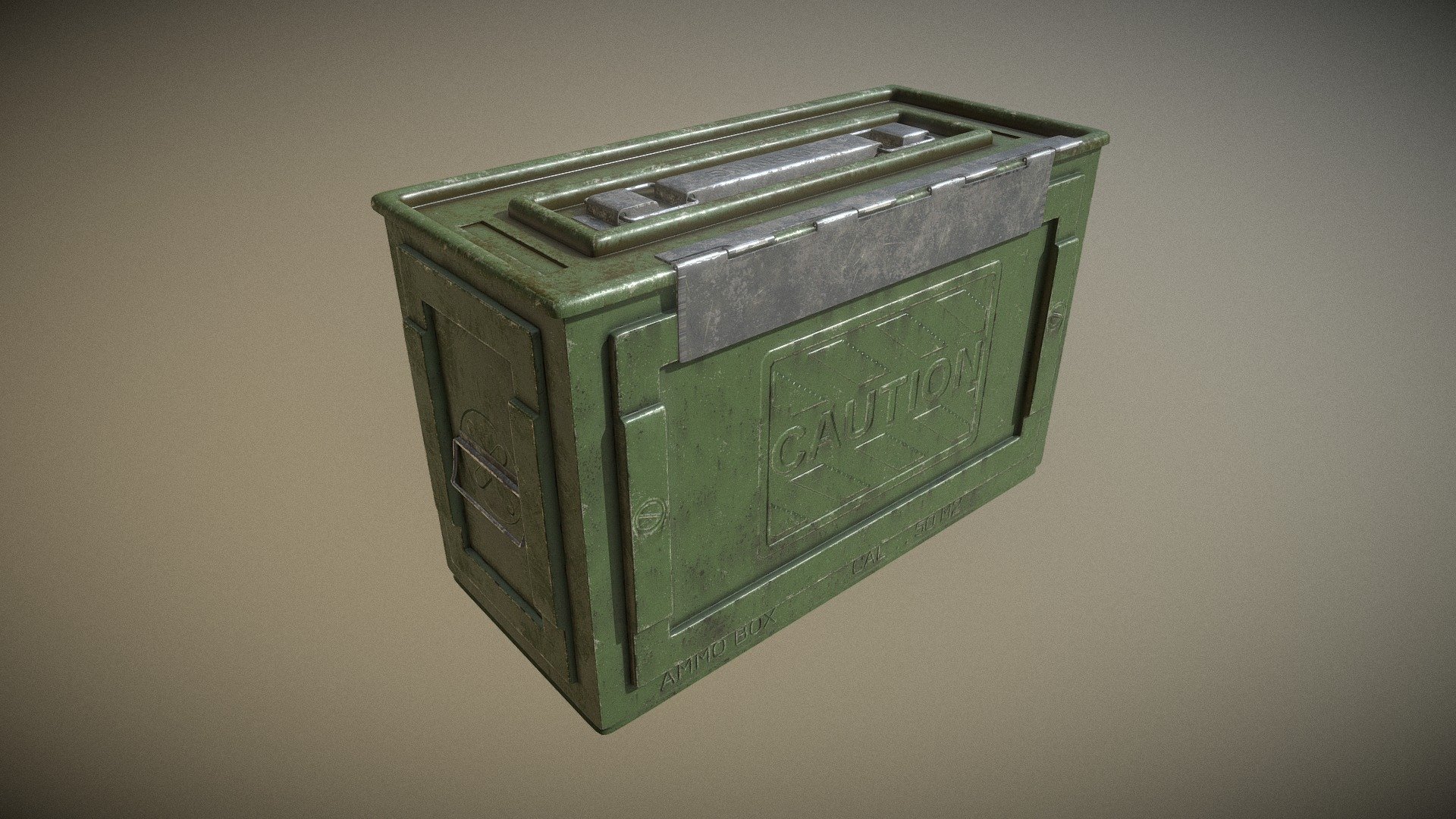
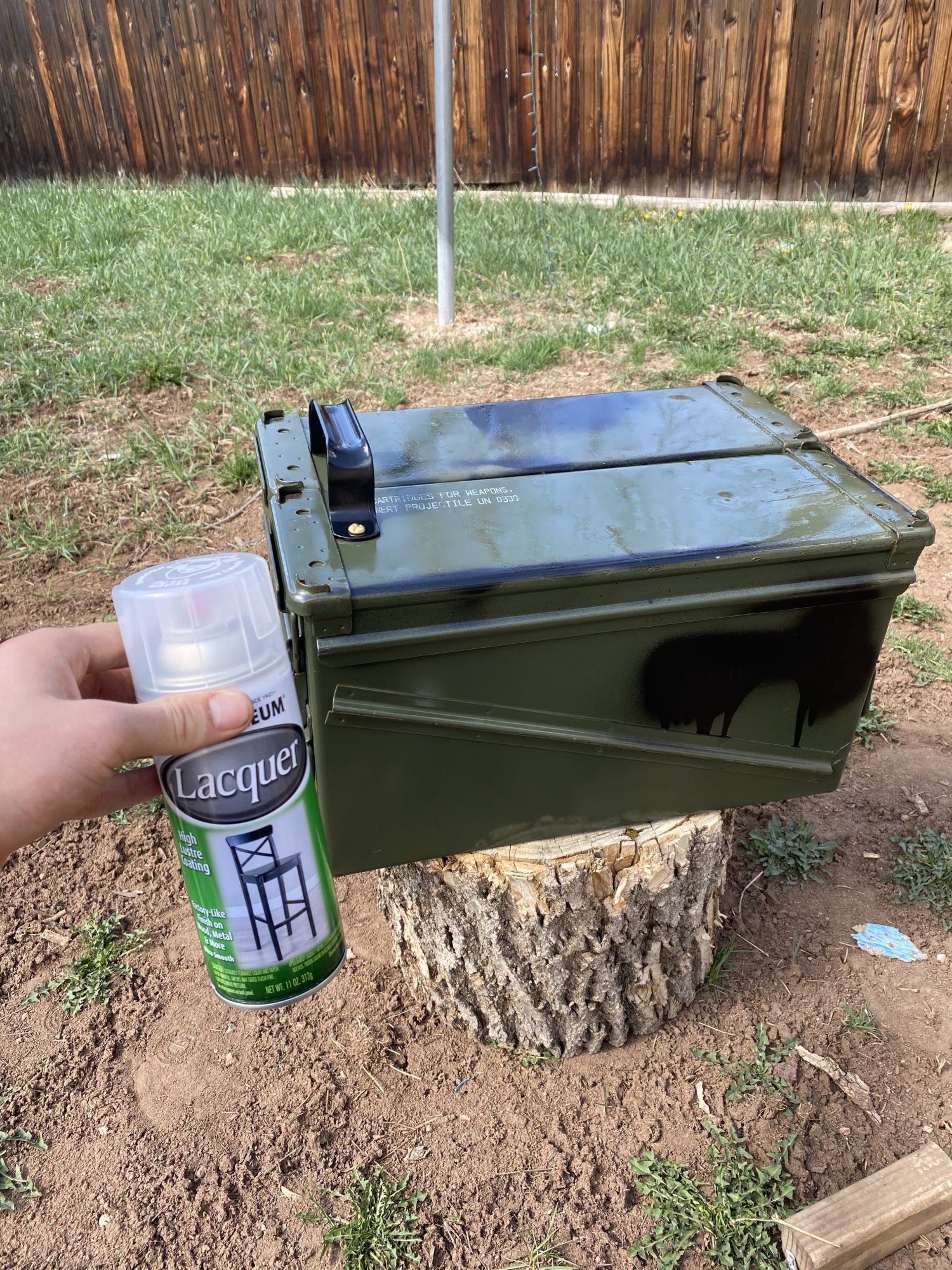
Buying handgun ammo in bulk slashes per-round costs, letting you stockpile hundreds of rounds for practice or defense without bleeding your wallet. Store those boxes in a cool, dry environment—a sealed ammo can with desiccant packs beats a damp garage shelf, where corrosion can ruin primers and cases. Rotating your supply is non-negotiable: always label every box with the purchase date, then use the oldest first at the range, shooting through that stock before cracking newer boxes. This keeps your carry ammo fresh and your practice rounds reliable, since even quality handgun ammunition degrades over years of temperature swings. Never store loose rounds rattling together—keep them in their original trays or reloader-friendly boxes to prevent bullet setback and primer damage. A simple “first in, first out” system, paired with an annual inventory check, ensures your bulk investment stays lethal and functional when you need it most.
Shelf Life of Sealed Ammo Cans vs. Loose Packing in Climate
Sealed ammo cans dramatically extend handgun ammunition’s shelf life by blocking humidity and temperature swings, whereas loose packing in cardboard or plastic bags exposes primers and powder to ambient moisture. In a humid climate, loose rounds can corrode brass and degrade propellant within six to twelve months, while a sealed can with a desiccant pack preserves ballistics for decades, provided the gasket remains intact. Conversely, in arid, stable temperatures, loose packing may suffice for a few seasons, but rapid thermal cycling still causes condensation inside the box. For long-term storage, sealed ammo cans outperform loose packing by creating a microclimate that resists rust and powder breakdown.
How to Spot Corrosion, Tarnished Brass, or Compromised Primers
When inspecting bulk handgun ammo, examine the case mouth and base for green or white crusty deposits, which indicate **corrosion that compromises brass integrity**. Tarnished brass appears dull or darkened, but if a fingernail can scratch the discoloration, it’s active oxidation, not harmless patina. Check primer pockets for reddish rust rings or cratering; a compromised primer may sit proud of the case head or show a faint dark halo. Squeeze the cartridge—if the bullet rotates or shifts, the neck tension has failed. Reject any round with a cracked or flaking sealant around the primer, as moisture has likely reached the compound.
Spotting corrosion means looking for crusty deposits at the case mouth, scratching surface tarnish, checking 9x23mm Winchester Ammo for Sale for rust rings or proud primers, and verifying bullet tension—discard any round with structural or primer compromise.
Calculating How Much to Store vs. Shoot Each Month to Keep Fresh
To keep your handgun ammo fresh, treat your stash as a rotating pipeline, not a static pile. First, define your **monthly shooting quota** based on practice frequency—say, 100 rounds per range trip. Then, calculate your total storage goal (e.g., 1,000 rounds) and divide by your monthly burn (100) to get a ten-month buffer. Each month, shoot from the oldest stock first, replacing only what you fired with new production. This keeps turnover steady—roughly 10% per month—so no cartridge sits past its prime. Track dates on boxes with a marker, and if your shooting drops, lower your purchase rate to match consumption, never letting inventory age unreliably.
Shoot the oldest first, replace what you use monthly, and keep turnover near 10%—that keeps your handgun ammo fresh without waste.